What to Look for in a Topsfield top Remodeling Contractor for Professional Remodeling Services
What to Look for in a Topsfield top Remodeling Contractor for Professional Remodeling Services
Blog Article
Top Renovation Builder: Transform Your Space With Expert Workmanship
Selecting a top renovation specialist is vital for renovating a space effectively. Professional craftsmanship can turn a vision into reality, but not all contractors provide the same level of excellence. Potential clients should evaluate important traits that distinguish the best from the rest. Understanding these factors can lead to a more rewarding renovation experience. What should homeowners prioritize to ensure their project exceeds expectations?
Why Selecting the Right Remodeling Contractor Matters
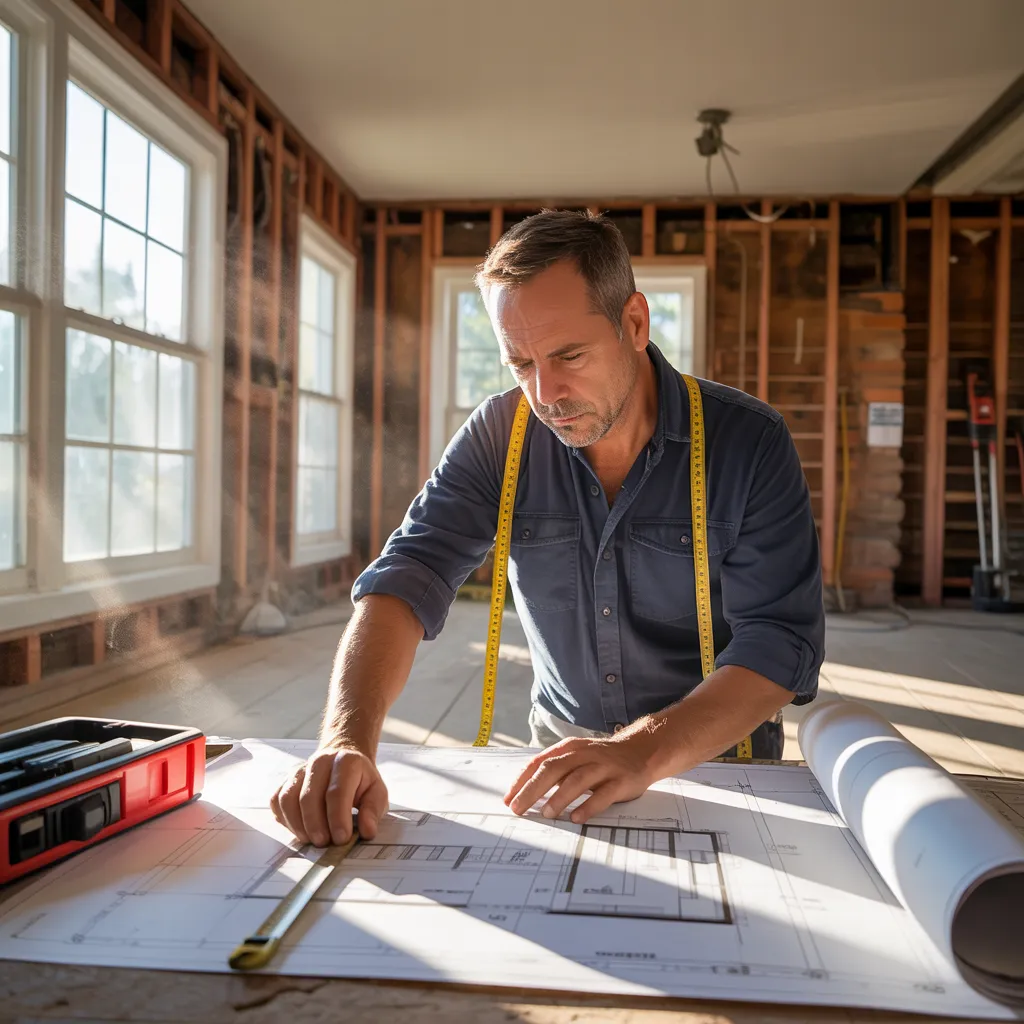
Selecting the right remodeling contractor can greatly impact the result of any residential renovation. A competent contractor not only provides knowledge and proficiency but also fosters clear dialogue and teamwork throughout the renovation timeline. This partnership guarantees that the homeowner's vision is properly converted into fruition, minimizing misunderstandings and costly mistakes.
Moreover, a trustworthy contractor usually has strong connections with suppliers and subcontractors, which can offer cost savings and availability of high-grade supplies. Timeliness is another critical factor; a dependable contractor sticks to schedules, thereby reducing construction setbacks and inconvenience.
In contrast, selecting an untrained or ill-suited specialist can result in lackluster execution, cost surpluses, and protracted timelines. Therefore, the necessity of careful vetting cannot be exaggerated, as it ultimately shapes the prosperity, quality, and satisfaction realized from the completed project.
Essential Characteristics to Consider in a Home Renovation Contractor
When searching for a remodeling contractor, multiple important qualities can significantly impact the project's success. Primarily, effective communication skills are essential, allowing for open dialogue about project expectations and deadlines. Reliability is a critical characteristic; a dependable builder should consistently meet deadlines and maintain budgets.
Experience serves as an important factor as well; a expert with a strong track record in similar undertakings can supply valuable insights and forward-thinking solutions. Additionally, meticulous detail orientation is imperative, ensuring that both aesthetics and functionality are evaluated in the design process.
Finally, a impressive portfolio showcasing previous work can foster confidence in the contractor's expertise. By emphasizing these traits—dialogue, trustworthiness, experience, precision, and a solid portfolio—homeowners can make informed choices when choosing a remodeling contractor, ultimately producing a successful transformation of their space.
What Variants of Home Improvement Assignments Are Desirable?
Which categories of home renovation projects attract homeowners' focus these days? Kitchen and bathroom remodels dominate the market, since these spaces significantly improve both practicality and aesthetics. Homeowners regularly seek contemporary designs, energy-efficient appliances, and premium materials. Open-plan living spaces also continue favored, allowing for smooth transitions between spaces and fostering a more welcoming atmosphere.
Outdoor living spaces are becoming increasingly popular, with features like decks, patios, and outdoor kitchens proving indispensable for hosting guests. Basements are undergoing renovation into multi-functional areas, serving as home offices, gyms, or additional living spaces. Additionally, eco-conscious initiatives are growing in popularity, with homeowners opting for eco-friendly materials and designs.
Increasingly, advanced home automation solutions is highly sought after, permitting homeowners to handle lighting, security, and climate control with ease. These remodeling trends show a desire for superior living conditions, suited to unique tastes and ways of living.
Guide to Assessing Possible Contractors
Choosing the right renovation specialist is a pivotal step in ensuring a successful renovation project. To evaluate potential contractors, one should begin by verifying their credentials, including licenses and coverage. Confirming these qualifications safeguards from legal responsibility and ensures compliance with local building codes.
Next, reviewing portfolios of previous endeavors provides insight into the service provider's style and quality. User reviews and endorsements can offer valuable perspectives on trustworthiness and dedication. It is also vital to consider the service provider's background in particular renovation assignments that reflect the resident's vision.
Furthermore, acquiring several estimates enables a detailed comparison of pricing and services offered. Direct dialogue during the assessment phase demonstrates professionalism and responsiveness. Ultimately, choosing a contractor who aligns with both project needs and personal preferences can greatly influence the results of your renovation.
What Key Topics Must You Discuss Before Appointing a Builder?
When engaging a remodeling contractor, it is important to raise focused inquiries that highlight their qualifications. Primary subjects of discussion include their background and proficiency, alongside their coverage and licensing requirements. In addition, grasping the projected timeframe and financial requirements connected to the job will help ensure a productive partnership.
Background and Expertise
Evaluating the background and expertise of a remodeling contractor is essential for a successful project. Homeowners should ask the contractor's industry experience, focusing on specific types of remodeling work they specialize in. It's beneficial to ask for a portfolio showcasing completed projects, as this provides insight into the contractor's craftsmanship and style. Additionally, potential clients should seek references from past clients to gauge satisfaction and reliability. Understanding the contractor's project management strategy, timelines, and communication styles can further illuminate their expertise. Finally, discussing any ongoing training or certifications can reveal a commitment to keeping current with industry developments and techniques, ensuring a top-notch outcome for the remodeling project.
Permits and Insurance
Confirming that a remodeling contractor has the correct licensing and insurance is important for safeguarding both the homeowner and the integrity of the project. Homeowners should check the contractor’s licensing, confirming it adheres to local regulations and industry standards. A valid license demonstrates that the contractor has met required qualifications and possesses the required skills. Insurance is also critical; it provides protection against potential liabilities, like accidents or property damage during the remodel. Homeowners should request proof of insurance coverage, including general liability and worker’s compensation. This verification not only reduces risk but also builds trust in the contractor’s professionalism. Overall, detailed checks on licensing and insurance are key steps in the hiring process for a remodeling contractor.
Project Schedule and Related Expenditures
A thorough grasp of the schedule and expenses is essential for homeowners before hiring a remodeling contractor. Homeowners should ask regarding the estimated duration of the project, including important checkpoints and possible setbacks. It is important to request a comprehensive itemization of costs, encompassing materials, labor, and any additional charges that may occur.
Contractors ought to provide a transparent payment schedule, outlining when payments are due and the conditions for each phase of the project. Homeowners ought to also discuss any contingencies for unexpected problems that might impact both timeline and budget. By addressing these elements upfront, homeowners can choose wisely and minimize misunderstandings, ensuring a smoother remodeling experience.
Planning Your Home Remodeling Financial Plan
How can homeowners successfully distribute funds for a remodeling project? A carefully structured financial plan is critical for maintaining cost control. First, homeowners should establish a clear objective of their project, specifying detailed aims and expected results. Next, they should research standard costs for materials and workforce in their area to develop accurate estimates. It's advisable to allocate an additional 10-20% of the overall financial allocation for unforeseen costs, which can frequently occur during renovations.
Controlling expenditures properly is paramount; homeowners should distinguish must-haves versus nice-to-haves, allowing room for adjustments if needed. Consulting a established remodeling contractor can supply insights into cost-reducing opportunities and economical solutions. Additionally, homeowners must stay open-minded and responsive to modifications throughout the process, as this openness can lead to an more successful outcome. All in all, comprehensive preparation and proactive expense management can greatly enhance the remodeling experience.
Tips for a Smooth Remodeling Project
In any remodeling undertaking, clear communication between property owners and construction professionals is essential in achieving positive results. Creating achievable timelines from the beginning assists in controlling expectations and lessens stress throughout the process. By prioritizing these factors, homeowners can create a more streamlined and enjoyable renovation experience.
Explicit communication is indispensable
Effective communication functions as the backbone of a thriving remodeling project. A transparent exchange of ideas between the homeowner and contractor ensures that goals align from the beginning. Regular communications and touchpoints assist in address concerns before they intensify, creating a cooperative environment. Homeowners should articulate evidence their concept, budget, and priorities clearly, while contractors must deliver transparent schedules and status updates. Utilizing graphic materials, such as sketches or samples, can additionally enhance understanding. Additionally, establishing a main point of contact minimizes confusion and streamlines dialogue. By prioritizing clarity, both parties can handle obstacles successfully, leading to a easier renovation process. In the end, open communication builds confidence and satisfaction, assuring the undertaking meets the homeowner's goals.
Establish Realistic Timelines in Beforehand
Setting practical schedules is a vital component of planning a renovation project. Homeowners should collaborate with their builder to create a clear schedule that accounts for different phases, including design, permits, and construction. Recognizing that unforeseen challenges can occur, such as delays in material delivery or weather-related disruptions, is important. It is advisable to build in additional time to allow for these possible setbacks. Furthermore, establishing milestones during the project can assist keep both the contractor and property owner aligned on advancement and goals
Regularly Raised Questions Customers Inquire
What timeframe can I anticipate for my renovation project to be completed?
Typically, a renovation undertaking can take anywhere from a few weeks to several months, depending on the range, complexity, and size of the project. Proper planning and communication can help streamline the timeline considerably.
What Protections Do Renovation Contractors Commonly Offer?
Remodeling specialists generally provide warranties spanning one to ten years, covering workmanship and materials. These guarantees guarantee protection against flaws, providing homeowners confidence regarding the caliber and longevity of their remodeling projects.
Can I see samples of previous Projects?
Most renovation professionals offer portfolios showcasing past jobs. These samples often include photos and customer reviews, providing insights into their craftsmanship and style, assisting potential customers imagine the contractor's capabilities and quality of work.
How Do You Address Unexpected Complications During Renovation Work?
The contractor handles unexpected issues by conducting thorough assessments, keeping clients informed with clients, and employing creative problem-solving strategies. This proactive approach ensures efficient resolutions while minimizing delays and preserving work standards throughout the remodeling process.
Will I Have to Obtain Licenses for My Undertaking?
Yes, getting permits is often necessary for remodeling projects. Rules differ by location and project scope, so it is crucial to review local building codes and consult with professionals to ensure compliance and prevent potential fines.
Report this page