Finding the Right bellingham top custom cabinets for Professional Cabinet Solutions
Finding the Right bellingham top custom cabinets for Professional Cabinet Solutions
Blog Article
Custom Cabinets: Elevate Your Home's Look
Custom cabinets serve as a crucial component in home design. They provide customized options that not only optimize storage but also improve the general appearance. By incorporating unique features and high-quality materials, these cabinets reflect personal taste and provide practical functionality. The craftsmanship involved guarantees longevity, making them a valuable investment. As homeowners aim to enhance their environments, understanding the benefits and choices available is essential for informed decisions. What opportunities await in your home?
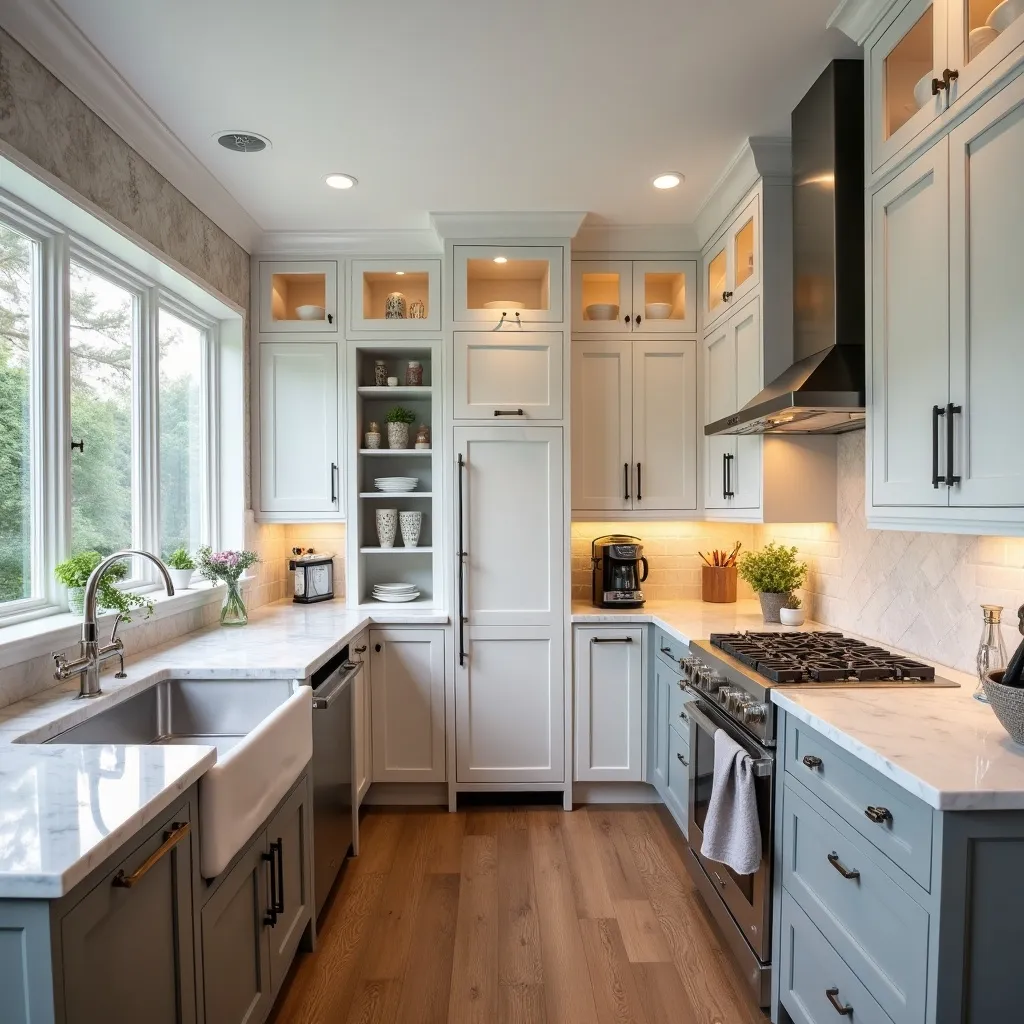
The Singular Merits of Custom Cabinets
When evaluating cabinet choices, property owners often find that custom cabinets offer clear benefits that pre-made alternatives cannot replicate. One of the main advantages is the ability to customize layouts to specific dimensions and configurations, ensuring optimal utilization of space. This customization allows for unique features, such as custom storage solutions or built-in devices, that improve both performance and aesthetics.
In addition, custom cabinets provide a comprehensive selection of resource choices, enabling occupants the ability to determine high-quality timber species, applications, and components that reflect their individual character. This degree of personalization extends to design elements, such as intricate moldings and uncommon cabinet entry styles, which can remake a food preparation area or bathroom into a cohesive, polished space.
Additionally, custom cabinets typically boast exceptional quality, resulting in improved strength and lifespan. This excellence often leads to reduced maintenance and replacement needs over time, making them a wise investment for selective homeowners seeking to make a enduring statement.
Custom Cabinets: Elevating Your Home's Financial Worth
Custom cabinets substantially enhance a home's market appeal by creating customized designs that captivate potential buyers. Their capacity to optimize usable areas boosts usability, rendering properties more attractive to both families and individual homeowners. Moreover, timeless aesthetic elements promise that these cabinets remain fashionable and relevant, further increasing a property's complete worth.
Functional Space Enhancement
The appeal of a home reaches beyond its visual charm; functionality plays a major role in improving overall value. Custom cabinets deliver tailored solutions that maximize existing space, repurposing areas that might otherwise be neglected. By including clever storage options, such as pull-out shelves and built-in organizers, homeowners can create a tidy look while ensuring convenience. This optimization not only boosts daily living but also raises the property's marketability. When potential buyers encounter well-designed cabinetry that fulfills their storage needs, they tend to appreciate the home's overall functionality. As a result, custom cabinets become an investment in both aesthetics and utility, ultimately increasing the property's worth in a competitive real estate market.
Classic Design Elements
How do classic design features shape a home's attractiveness? Custom cabinets embody these traits, effortlessly combining functionality with timeless style. By adopting heritage features such as elevated panels, decorative molding, and traditional hardware, these cabinets boost a home's visual appeal while improving its overall value. Their flexible designs can complement various architectural styles, creating a consistent look throughout the space. Additionally, the use of superior materials ensures longevity, making them a worthwhile investment. Custom cabinets not only provide usefulness but also showcase a homeowner's individual style, making spaces feel unique and inviting. Ultimately, their presence can notably increase a property's marketability, captivating potential buyers who admire craftsmanship and timeless elegance.
Custom Visual Styles and Treatments
In the field of custom cabinets, design styles and finishes play an essential role in achieving a personalized aesthetic. Existing market trends showcase a assortment of popular styles, while an breakdown of finish types highlights the options available to homeowners. These elements facilitate for extensive personalization, ensuring that each cabinet reflects individual taste and complements the overall design of the space.
Current Creative Directions
As homeowners seek to create unique living spaces, popular design trends in custom cabinets continue to evolve, reflecting individual tastes and needs. Minimalist designs are becoming more popular, characterized by clean lines and functional forms. On the other hand, classic approaches stay enduring, often featuring intricate details and rich wood tones. Mixing materials, such as blending wood alongside metal or glass, has grown more widespread, bringing aesthetic appeal and dimension. Additionally, dual-color cabinet designs provides a modern spin, allowing homeowners to express creativity by juxtaposing hues and surface treatments. Exposed shelves is also trending, offering a functional method to showcase decorative items while maintaining an airy feel. Overall, these movements emphasize a equilibrium between practicality, visual appeal, and personal expression in residential aesthetics.
Material Coatings Comprehensive Summary
Material finishes hold significant importance in defining the overall appearance and functional aspects of custom cabinets. Choices stretch from natural wood grains to sleek, modern laminates, each displaying distinct characteristics. Wood finishes can encompass stains that showcase the wood texture or paints that apply consistent coloring, fulfilling various design preferences. Meanwhile, metal finishes, such as brushed nickel or matte black, impart a contemporary edge, especially in urban settings. Textured finishes, like distressed or reclaimed wood, contribute depth and character, complementing rustic styles. Additionally, eco-friendly finishes are becoming more sought-after, supporting sustainable design trends. Ultimately, the selection of material finishes not only amplifies the visual appeal but also shapes durability and maintenance requirements of custom cabinetry.
Tailoring Preferences Available
A diverse array of personalization options is available for custom cabinets, allowing homeowners to adjust designs to their distinctive tastes and requirements. From contemporary to traditional styles, homeowners can opt for various read this article shapes, sizes, and configurations that best align with their spaces. Finishes play an important role; options range from smooth gloss to rustic matte, with numerous color palettes to improve any interior. Hardware choices, including knobs and pulls, further refine the aesthetic, adding character and functionality. Additionally, special features such as built-in lighting, adjustable shelving, and specialized compartments cater to individual preferences. This level of personalization not only improves the aesthetic but also guarantees that cabinets serve their intended purpose efficiently, blending with the overall design of the home.
Smart Storage Solutions in Custom Cabinets
When space is at a premium, custom cabinets offer creative smart storage solutions that maximize usability without sacrificing design. These cabinets can be tailored to include features such as pull-out shelves, hidden compartments, and built-in organizers, making it easier to keep spaces uncluttered. For kitchens, options like lazy Susans and pull-down racks enhance accessibility while optimizing corner spaces that often go unused. In living areas, custom cabinets can incorporate media centers with cable management solutions, keeping electronics neat and tidy. Additionally, the integration of vertical storage options allows homeowners to make the most of ceiling height, further enhancing storage capacity. By combining aesthetic appeal with practical design, custom cabinets transform everyday spaces into organized havens, ensuring that each item has its place. This thoughtful approach to storage not only elevates the functionality of a home but also contributes to its overall visual harmony.
Which Materials Should You Opt for for Your Bespoke Cabinets?
Determining the best materials for tailored cabinetry substantially impacts both durability and visual qualities. Homeowners regularly assess multiple wood types, with hardwoods like oak, maple, and cherry being popular choices for their structural strength and attractive appearance. Plywood is another popular choice, noted for its stability and capacity to resist warping.
To achieve a contemporary style, MDF and laminates (medium-density fiberboard) provide versatility in design while remaining budget-friendly. Additionally, glass and metal components can be added for a modern touch.
Dyes, coatings, and glazes have a significant purpose in finishes; they enhance the natural beauty of wood while providing resistance against wear.
Ultimately, choosing materials should match both functional requirements and individual taste, guaranteeing that the bespoke cabinetry not only fulfill their function but also enhance the overall aesthetic of the residence.
Tips for Effectively Partnering With Cabinet Makers?
Effective collaboration with cabinet makers can greatly enhance the outcome of a custom cabinet project. Clear communication is crucial; clients should express their vision, choices, and functional needs from the outset. Sharing inspiration images and detailed sketches can better communicate concepts.
An important aspect is setting realistic schedules and spending limits. Clients should discuss these variables openly to establish alignment expectations and sidestep misinterpretations. Ongoing check-ins through the design and fabrication phases allow for adjustments and polish, preserving the project stays on track.
Furthermore, remaining open to the cabinet maker's expertise can lead to creative approaches. They typically possess useful perspectives regarding materials, construction techniques, and design trends. In the end, a successful partnership is built on trust, regard, and a mutual dedication to attaining the desired aesthetic and functionality, producing cabinetry that improve the home's overall appeal.
Frequently Requested Questions
What is the Standard Timeline for the Custom Cabinet Design Process?
The custom cabinet design process typically demands four to eight weeks. This schedule involves initial consultations, design updates, material procurement, and establishing details, delivering a tailored approach that accommodates the client's unique needs and desires.
What Is the Typical Cost of Custom Cabinets?
An average expense for custom cabinets commonly falls from $500 to $1,200 per linear foot, dependent on resources, design complexity, and builder. Homeowners should establish a budget to accomplish their wanted quality and style.
Can Custom Cabinets Able to Be Modified Post-Installation?
Yes, bespoke cabinetry can be altered after being installed, though the degree of changes is determined by design and material. Property owners should consult with professionals to assess feasibility and potential impacts on how well it works and how it looks.
Are Custom-Made Cabinets Sustainable Options?
Custom cabinets can be eco-conscious if made with responsible sourcing and non-toxic finishes. Additionally, conscientious production processes can decrease waste output, making a positive impact to environmental protection while upholding aesthetic and functional appeal in home design.
What Maintenance Needs to Be Completed for Made-to-Order Cabinets?
Routine maintenance for custom cabinets involves dusting, scrubbing with soft soap and water, avoiding harsh chemicals, and using a protective finish periodically. In addition, testing copyrights and handles for wear guarantees long-term durability and peak function.
Report this page